
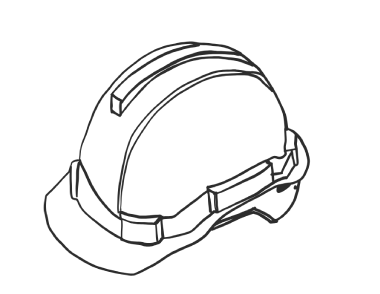






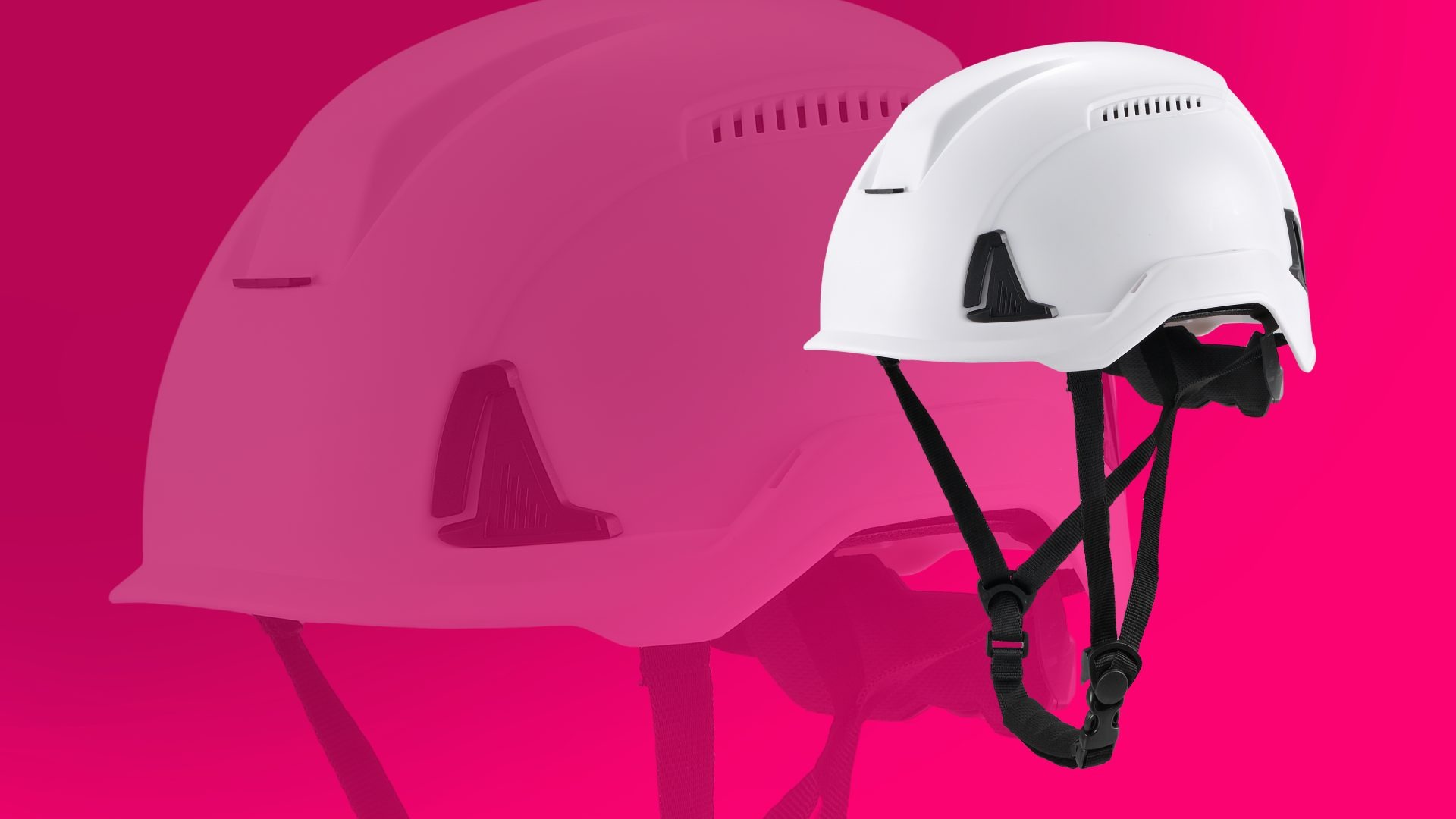
Understanding how changes in regulations affect safety helmets is crucial when selecting the most suitable equipment. The evolution of user requirements and the state of technology, combined with a deeper understanding of the product, has driven a necessary regulatory update. This advancement has enabled the development of the new ACCESUS AEL ROCK helmet.
Context: The gap in industrial protection
Until now, industrial safety helmets according to the EN 397:2012 standard focused on protection against impacts on the top and resistance to penetration. However, they were not always suitable for all work environments, leaving safety in high-risk jobs (where there is a risk of side impacts) in a gray area. How was this lack addressed? Previously, two main options were chosen:
- Mountaineering helmets (EN 12492:2012): Designed for non-professional environments, as the EN 397:2012 requirements were insufficient for certain risks.
- Configurable helmets: Equipment that allowed changing parts to meet one or another standard. However, these manual adjustments by the user were not always easy to manage or used correctly.
On the other hand, in the latest version of the standard, EN397:2025, a distinction has been made: type 1 and type 2.
- Type 1: Helmets to provide safety against impacts on the top of the head.
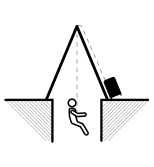
- Type 2: Helmets to provide safety against impacts on the top of the head and side impacts.
ACCESUS AEL ROCK: Dual certification without adjustments
This has allowed ACCESUS to develop a helmet suitable for high-risk jobs in industrial environments, in accordance with a suitable standard, EN397:2025 type 2. But what's more, the requirements of both standards EN397 type 2 and EN12492 have become compatible for EN397:2025, whereas they were incompatible for the EN397:2012 version. This has enabled the development of the new ACCESUS AEL ROCK helmet, capable of meeting both standards (EN397:2025 type 2 and EN12492:2012) without the need for user adaptation.